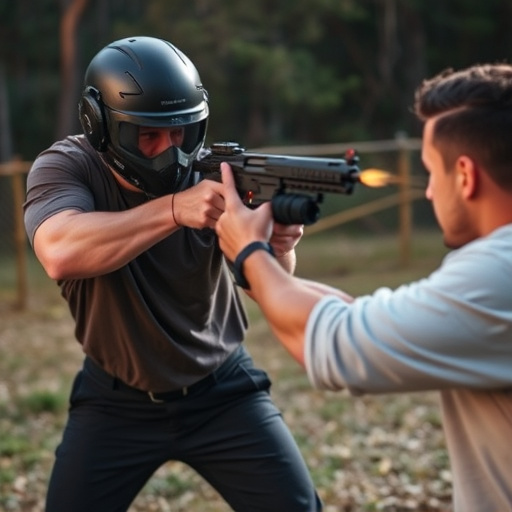
Stun guns and pepper spray offer distinct non-lethal self-defense options. Stun guns deliver electric shocks for quick incapacitation, while pepper spray causes respiratory distress. Legal restrictions vary widely by state, impacting accessibility and use. Understanding these differences in stun gun vs. pepper spray effectiveness is crucial for responsible ownership, as laws dictate carry and use, with varying permit requirements and age limits.
“Exploring the legal landscape of stun guns in the US, this comprehensive guide delves into the intricate web of state regulations. From understanding the distinction between stun guns and pepper spray, to navigating the varying restrictions across America’s states, this article is your key resource. Discover which areas embrace stun gun ownership while others enforce strict controls. Learn about legal considerations specific to each state, empowering you with knowledge in the debate over stun gun vs pepper spray effectiveness and accessibility.”
- Stun Guns vs Pepper Spray: Which is More Effective?
- State Laws Regulating Stun Gun Possession
- Understanding Stun Gun Restrictions Across America
- Legal Considerations for Stun Gun Users by State
- Stun Guns: Uncovering Permissive and Restrictive States
Stun Guns vs Pepper Spray: Which is More Effective?
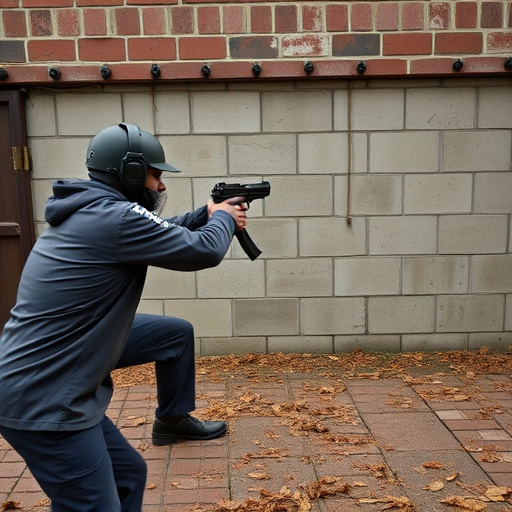
Stun guns and pepper spray are both non-lethal self-defense tools, but they operate differently and have distinct effects on an assailant. When it comes to effectiveness, it’s a complex comparison as the optimal choice depends on various factors including personal preference, specific threat level, and legal considerations.
Stun guns emit an electric current that disrupts muscle control, causing the target to experience temporary paralysis and disorientation. This makes them particularly effective for neutralizing larger or more aggressive attackers, as the shock can subdue them quickly. On the other hand, pepper spray delivers a caustic chemical compound that irritates the eyes, nose, and throat, leading to coughing, tears, and difficulty breathing. Pepper spray is generally considered more versatile, especially in close-quarters combat, as it allows users to maintain their visibility and mobility while disorienting the assailant. However, its effectiveness can be affected by weather conditions and distance, whereas stun guns have a more consistent impact within their effective range.
State Laws Regulating Stun Gun Possession

State laws play a pivotal role in regulating the possession and use of stun guns, offering varying degrees of accessibility to civilians. Unlike pepper spray, which is generally more loosely regulated, stun guns often require specific permits or licenses, depending on the jurisdiction. Some states permit their sale and possession only with a law enforcement background or special training, while others allow them with minimal restrictions, if any.
The regulations also cover aspects like age limits, allowing possession for self-defense, and even the type of stun gun permitted. For instance, some states differentiate between stun guns and Tasers (a specific type), with varying rules for each. This disparity in state laws highlights the complex relationship between individual rights to self-defense and public safety, particularly when considering stun gun vs pepper spray effectiveness as tools for personal protection.
Understanding Stun Gun Restrictions Across America

Understanding Stun Gun Restrictions Across America
In the United States, regulations surrounding stun guns vary significantly from state to state, creating a patchwork of laws that can be confusing for both residents and law enforcement. This diversity in legislation is largely driven by differing perspectives on personal protection, public safety, and the potential misuse of these devices. Some states have embraced stun guns as viable self-defense tools, allowing their open carry and use without a permit. Conversely, others have implemented stringent restrictions, including mandatory permits and limitations on where and how they can be carried or used, reflecting concerns about accidental discharge and escalating situations.
The debate over stun gun laws often centers around the Stun Gun vs Pepper Spray effectiveness question. Proponents argue that stun guns provide a quick and reliable means of incapacitating an attacker, offering users a chance to escape potentially harmful situations. Opponents, however, cite the risks associated with their use, including accidental injuries, especially in crowded areas or during altercations with law enforcement. This disparity in perspectives underscores the need for individuals to thoroughly research and understand their state’s specific regulations before considering the acquisition and use of stun guns as a personal defense mechanism.
Legal Considerations for Stun Gun Users by State
When considering a stun gun as a personal defense tool, understanding the legal landscape across different states is essential. The legality of stun guns varies significantly from one state to another, with some embracing their use while others impose strict restrictions or even outright bans. This disparity in regulations can be attributed to varying cultural attitudes towards self-defense and public safety concerns.
In the debate between stun guns and pepper spray, several states have recognized the unique advantages of stun devices. These states often allow stun guns for personal protection but come with specific requirements like permit systems, age restrictions, and registration. Conversely, some areas may only permit pepper spray without the same level of regulation. Understanding these state-by-state differences is crucial for responsible stun gun ownership and usage, ensuring compliance with local laws to avoid legal repercussions.
Stun Guns: Uncovering Permissive and Restrictive States
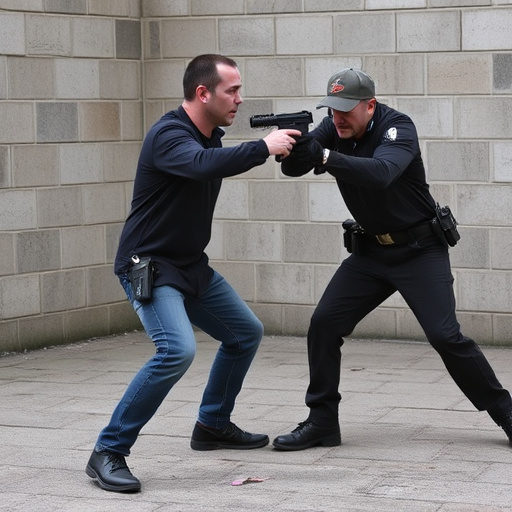
Stun guns, a popular personal defense tool, have varying legal statuses across different states in the US. When comparing stun guns to pepper spray, understanding state laws is crucial as they dictate where and how these devices can be carried. Some states allow open carry of stun guns without a permit, while others restrict them to concealed carry with appropriate licensing.
In terms of effectiveness, stun guns and pepper spray serve distinct purposes. Stun guns deliver an electric shock designed to temporarily incapacitate the target, whereas pepper spray irritates the eyes and respiratory system. The legality of each often depends on local regulations, which can vary widely. Knowing your rights and responsibilities regarding stun guns is essential for personal safety and compliance with state laws, especially when considering their unique advantages over traditional self-defense options like pepper spray.
When considering the acquisition of a stun device, it’s crucial to understand the legal landscape that governs their possession. Each state in America has its own set of restrictions and permissive laws regarding stun guns, which can significantly impact your rights as a prospective user. The article has explored the differences between stun guns and pepper spray in terms of effectiveness, delved into specific state regulations, and highlighted both permissive and restrictive environments across the country. Remember that staying informed about local laws is essential to ensuring compliance and making an educated decision regarding self-defense tools like stun guns.